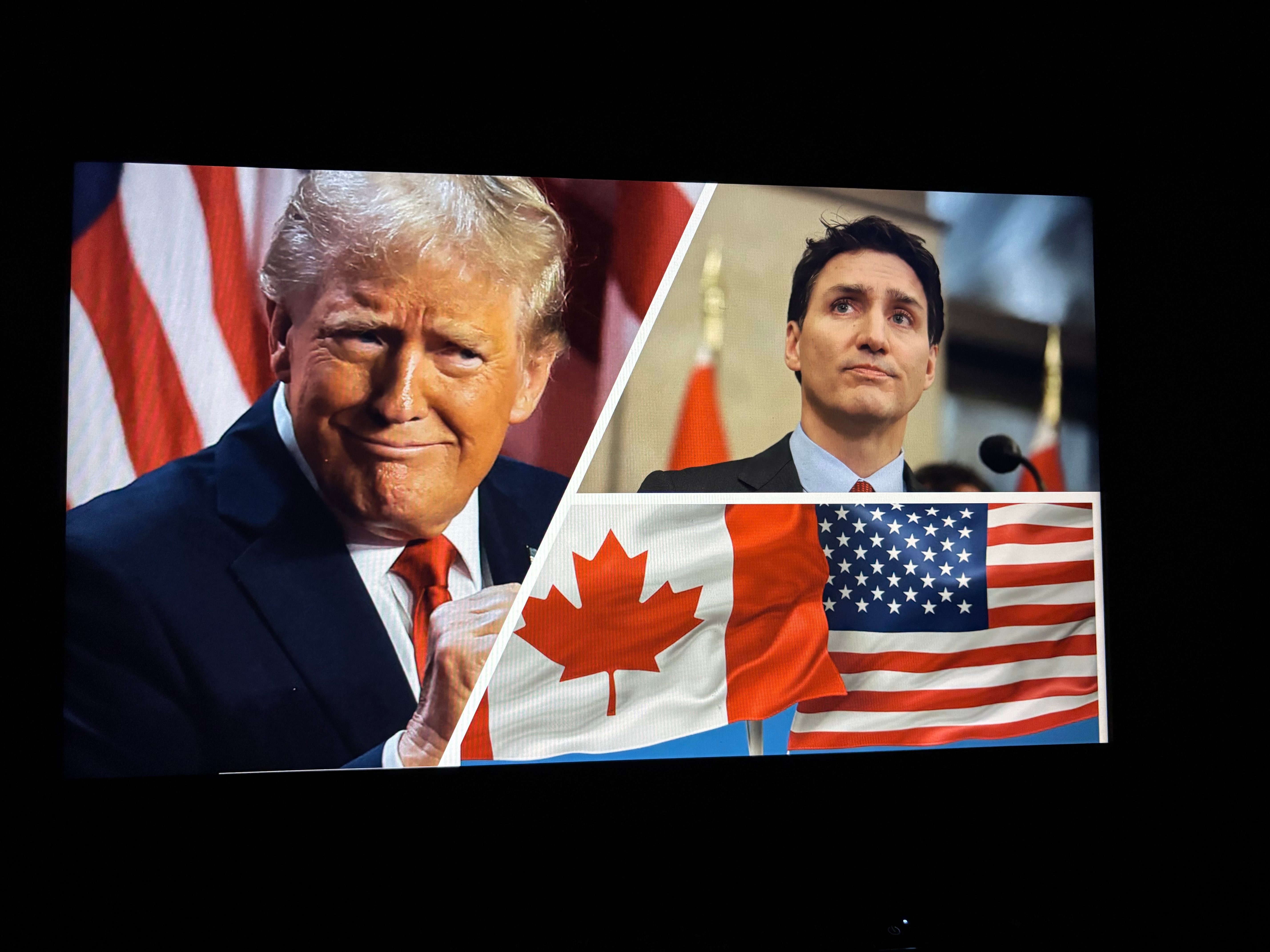
With the arrival of the Donald Trump administration, trade relations between the United States and Canada have undergone significant changes, particularly in light of the introduction of new 25% tariffs on Canadian goods, including automotive products, steel, and aluminum. These measures are justified as a “national threat” due to migration and drugs [1]. In response, Canada imposed reciprocal measures worth $155 billion, affecting food products, alcohol, electric vehicles, and aerospace products [2]. Experts predict that these mutual restrictions could reduce Canada’s GDP by 2.6%, while the U.S. GDP could decline by 1.6% [3]. Additionally, a revision of the U.S.-Mexico-Canada Agreement (USMCA) is expected. The Trump administration intends to evaluate trade imbalances and their impact on jobs, which could lead to a shift from a trilateral agreement to bilateral agreements. Risks of this revision include tightening rules of origin for the automotive industry, pressuring Canada to open its dairy market, and using the USMCA as leverage to address border security and migration issues. There is also an expectation that the U.S. will attempt to include border security and military spending issues in trade negotiations [4]. Through these actions, the United States could push Canada toward closer dialogue with China, strengthening its role as an alternative market for Canadian resources and becoming another significant factor in the changing trade dynamics between the U.S. and Canada.
In the midst of the trade war with the U.S., Canada was left without clear leadership due to the resignation of Justin Trudeau and the suspension of parliament until the end of March. Not only did this lead to a split within the Liberal Party, with its members simultaneously competing for leadership and attempting to formulate a response to the external threat, but the lack of a unified strategy also weakened the country’s position in negotiations with the U.S. administration. Amid the crisis, the provinces took matters into their own hands, increasing pressure on Ottawa.
The introduction of tariffs has caused a split between the provinces, whose economies depend on trade with the U.S. in different ways. Newfoundland Premier Andrew Furey called the tariffs an “existential threat” and demanded tough retaliatory measures, including sanctions on critical minerals important for the American industry [5]. Meanwhile, Ontario, home to the automotive industry, which accounts for about 25% of the province’s GDP, is demanding an aggressive response from the federal government to the U.S. actions. Preparing for early elections, the province announced a $23 billion business relief package, as well as reciprocal tariffs on American goods, including alcohol and home appliances, setting a precedent for other regions [6].
Alberta, where oil and gas exports make up 68% of the economy, opposed the ban on shipments to the U.S. Premier Danielle Smith called such measures “harmful to Canadians” and urged targeted retaliatory actions, such as tariffs on goods from “red states” [7]. British Columbia and Quebec opted for symbolic sanctions. Premier David Eby, for instance, imposed a ban on alcohol imports from Republican states and announced a priority for Canadian goods in government procurement [8]. Quebec, whose aerospace industry is closely tied to the U.S., has so far limited itself to strong rhetoric.
The conflict of interest also emerged in the issue of internal trade barriers. The Trudeau government announced plans to eliminate interprovincial trade barriers, which are said to reduce GDP by $130 billion annually [9]. However, provinces with developed agriculture (Manitoba, Saskatchewan) are blocking the liberalization of the meat market, while Ontario and Quebec are defending the retention of dairy quotas. Premier of Nova Scotia Tim Houston, as a symbol of this systemic issue, criticized the inability to “ship a bottle of wine across the provincial border” [10].
Interprovincial and intergovernmental escalation could strengthen Canadian regionalism. According to the “B.C. Economic Forecast”, 25% tariffs could cost British Columbia 120,000 jobs, while Ontario would lose 200,000 [11]. This will likely lead to increased demands from regions for a redistribution of federal subsidies, becoming a factor that threatens the unity of the country. So far, provinces are acting separately, from Ontario’s push for infrastructure investments to British Columbia’s initiative to accelerate projects in remote regions.
The federal government is facing criticism from opposition parties that are calling for more support for the population rather than businesses, warning of rising prices for food and fuel. The Conservatives and the New Democrats have responded decisively, urging immediate action to protect Canadian workers and industries from the impact of tariffs. Pierre Poilievre and Jagmeet Singh have demanded that the government implement protective measures, further intensifying the political discourse around trade and economic policy. While this situation risks deepening divisions between the federal and provincial governments, U.S. tariffs present an opportunity for political unity among parties that typically have differing views on trade. The immediate threat could force various factions within the Liberal Party to unite around a common strategy to combat U.S. trade aggression. This could strengthen Trudeau’s position, as he takes steps to address public concerns related to job losses and economic stability.
However, the long-term consequences for Canada’s domestic politics may extend beyond immediate economic issues. The tariffs have sparked noticeable public outrage in Canada. Many Canadians are bewildered by Trump’s actions, particularly given the historically close economic ties between the two countries. Canadians have begun to publicly express their displeasure, such as booing the U.S. national anthem at sporting events, which reflects deep frustration with Trump’s unilateral decision [12]. This reaction also indicates that American actions are perceived as an unfair attack on Canadian sovereignty and economic stability.
A recent survey conducted by the Canadian Labour Congress revealed that a significant majority of Canadians (around 80%) believe that American tariffs will increase the cost of living in Canada and negatively affect relations with the U.S [13]. Nearly 90% of respondents support government investment plans aimed at strengthening the Canadian economy and protecting jobs from the adverse effects of these tariffs. In light of these events, a movement is growing among Canadians to prioritize domestic goods over American imports. Many citizens are actively seeking ways to support local businesses as a form of protest against Trump’s tariffs. Social media campaigns urging consumers to buy Canadian-made products are gaining momentum, and some citizens are even canceling plans to travel to the U.S. as a manifesto against American trade policies.
If the government’s retaliatory measures do not yield favorable results or if they worsen the economic downturn, public discontent may intensify, leading to shifts in voter sentiment ahead of this year’s elections. Economic difficulties will turn into political challenges, as voters tend to hold the ruling parties responsible for perceived failures in managing trade relations.
Moreover, as Canada reevaluates its trade strategies in light of the aggressive policies of the U.S., there may be calls for a more assertive approach to international trade agreements and partnerships outside the North American region, which could significantly alter the platforms of Canadian political parties.
References