
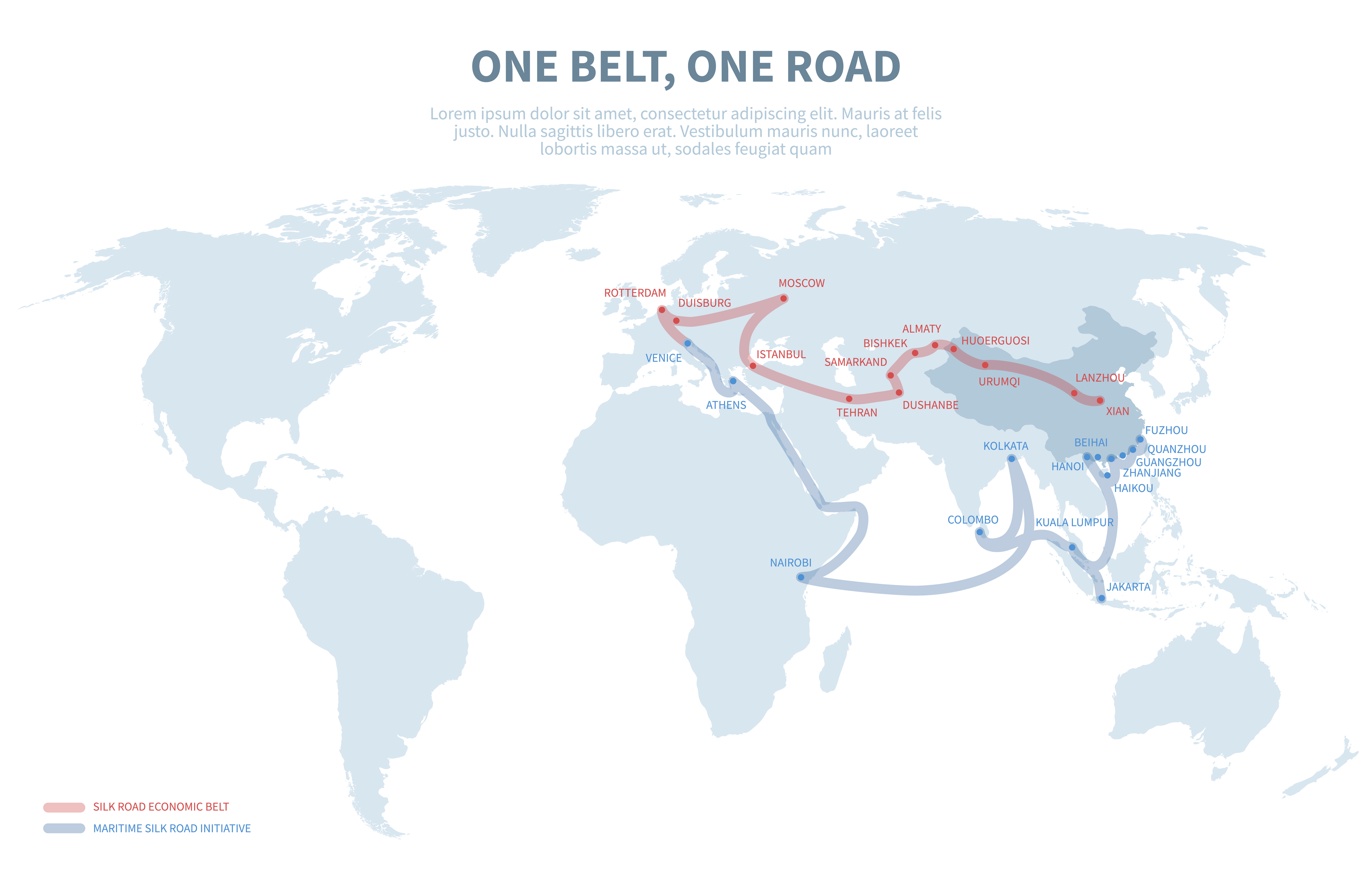
Abstract
This study investigates the academic discourse surrounding China’s Belt and Road Initiative (BRI) – a multifaceted geopolitical project championed by the central government. Through a critical examination of BRI-related literature, primarily in political science and international relations published between 2015 and 2023, the analysis highlights a burgeoning field marked by both growing depth and intensifying critique. It further contends that despite a rise in scholarship, BRI’s smaller players and the Maritime Silk Road Initiative (MSRI) call for further investigation. This nuanced approach fosters a comprehensive understanding of BRI’s complexities and its evolving global impact.
Keywords
China- Maritime Silk Road Initiative- Silk Road Economic Belt- Belt and Road Initiative
1. Introduction
Following the 2013 announcement of the Belt and Road Initiative (BRI) by the Chinese President Xi Jinping, the ambitious undertaking has garnered significant attention from observers for its vast scope and projected economic and political implications.1 The BRI’s potential impact on the global order, its member states, diverse regions, and all involved actors has raised a multitude of concerns.
A huge body of literature on (BRI) aligns with China’s positive view of the initiative.2 However, a comprehensive review showed that previous research had limitations in scope and depth. Notably, repetitive investigations into established topics and examinations of prior inquiries are prevalent, which hinders the production of novel insights. Furthermore, the trend towards proliferation of topic areas, instead of deeper analysis within existing themes, impedes scholarly advancement. Additionally, many studies assign marginal roles to (BRI), disproportionately focusing on China’s perspective. This results in imbalanced literature on China’s initiative in terms of quality and nuanced interpretation.
From the above mentioned, this study focuses on a key question that revolves around, what are the gaps and limitations in current understanding in BRI’s literatures in the study time period (2015-2023), and what are the challenges and opportunities for the initiative’s researchers and scholars? As focusing on these gaps serves as a catalyst towards more understanding of the dimensions of the initiative, and then contributes to providing a clearer vision for policy decision makers and scholars interested in the initiative.
Given these deficiencies, this study aims to critically examine the existing (BRI) literature, drawing upon a diverse selection of academic research, primarily within international relations and political science, published between 2015 and 2023. More significantly, this overview would outline a framework for refining and renewing the discourse surrounding the initiative.
This article aims for a deeper understanding of the participants, their plans and future developments. Research should move beyond broad overviews and engage in analyses of the Mari-time Silk Road Initiative (MSRI) and the Silk Road Economic Belt (SREB), focusing on specific regions and project development trajectories. This necessitates rigorous analyses and interpretations of data to lay forward local experiences and diverse future aspirations of (BRI) participants. Secondly, a closer examination of (MSRI) and (SREB) application is imperative. This entails meticulously evaluating the financial performance and sociopolitical implications of completed projects, with particular attention to both economic benefits and potential challenges like debt burdens. Furthermore, a thorough analysis of internal and external policy ramifications for participating countries is crucial, exploring how (BRI) projects align with or challenge existing national and regional frameworks. Thirdly, while existing studies have shed light on Chinese foreign policy through (BRI), further inquiries should expand beyond this singular perspective. Independent research conducted by scholars based in (BRI) recipient countries can offer invaluable insights into local needs, priorities, and concerns. Additionally, comparative studies across diverse regions can illustrate region-specific challenges and successes, enriching our understanding of participant experiences. Finally, it is essential to move beyond China-centric narratives and actively incorporate the perspectives of participating nations within BRI research, which necessitates prioritizing analyses that critically examine the role of Chinese soft power, encompassing cultural exchanges, media engagement, and educational initiatives, and their impact on shaping perceptions and fostering cooperation within the initiative.
2. China’s Initiative at Crossroads
Since China’s 2013 announcement of the (BRI), its purpose has sparked diverse interpretations among researchers, with ongoing debate focusing on the balance between economic and political motivations.3 While some researchers interpret (BRI) primarily as a domestic economic strategy aimed at market expansion, securing energy sources, and creating investment opportunities for Chinese multinational corporations (MNCs),4 others view it as a manifestation of China’s global ambition to achieve dominance in the Eurasian region, and global order.5
A third group of scholars further argue that the BRI is a strategic tool for China to improve its diplomatic relationships with participating countries across Asia, Africa, and Europe. They suggest that by promoting economic cooperation and infrastructure development, the (BRI) can foster regional stability and reduce potential conflict.6
A fourth group of (BRI) studies focuses on the Chinese economy’s structural vulnerabilities, arguing that they pose long-term risks to both economic growth and political stability. These vulnerabilities include rampant surplus industrial capacity, which threatens job security and social cohesion; overreliance on land-based energy import routes, potentially exposing China to geopolitical disruptions; and the economic stagnation of western regions, exacerbating regional disparities and social tensions. These studies further examine the extent to which the (BRI) can exacerbate or alleviate these challenges, particularly considering China’s heavy reliance on investment, exports, and state-owned enterprises as economic drivers.7
Another area of research focuses on the evolving scope of international dispute resolution mechanisms within the (BRI) framework for projects between China and African countries. This study analyzes the strength and transparency of these new entities, considering factors like legal expertise, judicial independence, and efficient dispute resolution procedures. The study aims to contribute to a better understanding of how disputes relating to China-Africa cooperation will be addressed in the future.8
Adding to the complexity of understanding the BRI’s aims, some studies analyze its role as a tool for China’s soft power projection,9 They highlight how the initiative’s focus on cultural exchange, infrastructure development, and media engagement fosters positive international perceptions of China and enhances its global influence. Others suggest that the (BRI) serves domestic political purposes, potentially serving as a means for Xi Jinping to solidify his leadership within the Chinese Communist Party and strengthen his legitimacy on the international stage.10 This diversity of interpretations underscores the complexity of the BRI’s objectives, likely driven by a multitude of motives within China’s vast political and economic system. While China emphasizes the collaborative nature of the initiative, portraying it as a ‘symphony,’ concerns remain about how individual participant interests align with China’s own ambitions. Further research is crucial to understand how the BRI’s complex motivations translate into tangible outcomes for all involved parties.11
Several studies assess the BRI’s impact on both benefits and challenges by examining its relationship with past Chinese development initiatives.12 They argue that the (BRI) draws upon earlier programs like the southern and western campaigns, benefiting from existing infrastructure and communication networks in Central and South Asia.
Given the multitude of perspectives on the Belt and Road Initiative’s objectives and potential consequences, a question arises: do existing research efforts sufficiently cater to the needs and concerns of participating countries? While studies provide valuable insights into aspects like soft power dynamics and geopolitical implications, a crucial factor often remains in the shadows – funding. Despite the BRI’s reliance on vast financial resources, research rarely dives into the effectiveness of funding mechanisms, or their potential impact on participants’ debt burdens and economic sustainability. To truly gauge the BRI’s long-term success and ensure equitable benefits for all involved, future research must prioritize a deeper understanding of its financial dynamics and their consequences for diverse stakeholders.
Despite the vast sums promised to the (BRI), a veil of ambiguity hangs over its true financial picture. While platforms like the (MSRI) and (SREB) lack explicit upper limits for project funding, details regarding specific project budgets remain shrouded in secrecy. This loose terminology surrounding “costs,” “loans,” and “investments” further obscures the potential debt burdens faced by participating countries. Although numerous financial entities, including banks like China Export-Import Bank and state-owned enterprises like the Silk Road Fund, have expressed willingness to participate, specific committed amounts remain elusive. This lack of transparency raises concerns about potential overestimations of the BRI’s overall funding capacity and hinders a clear understanding of how financial resources are actually channeled into projects. Future research must prioritize unraveling this tangled web of finances to assess the BRI’s true economic feasibility and its implications for all stakeholders involved.
The financial picture of the (BRI) remains obscure despite estimations ranging from $400 billion to $8 trillion. This ambiguity stems partly from the lack of publicly disclosed budgetary allocations for specific projects under platforms like (MSRI) and (SREB).13 Further compounding the opaqueness is the loose terminology used by observers, who often conflate “costs,” “loans,” and “investments” without adequately differentiating their financial implications. Though numerous financial entities, including banks like the China Export-Import Bank and state-owned enterprises like the Silk Road Fund, have expressed interest in BRI projects, concrete commitments regarding specific funding amounts remain elusive.14 This lack of transparency impedes a clear understanding of the initiative’s true financial capacity and raises concerns about potential overestimations of total funding. Unraveling this tangled web of financial ambiguity is crucial for future research to assess the BRI’s economic feasibility and its implications for participating countries.15
Despite the increasing number of countries engaged in (BRI), its participant roster remains shrouded in a cloud of ambiguity. However, with the initiative’s rapid expansion, accurately delineating participants has become increasingly complex. While some prominent nations like the United States, India, and Japan remain firmly outside the initiative, others, including Vietnam,16 Ethiopia,17 Myanmar, Nepal,18 Latin America,19 Africa,20 and numerous numbers of countries nearly 140 in the BRI,21 play significant roles. Estimates suggest the total number of BRI participants now approaches 140. This lack of readily accessible and transparent participant data poses a significant challenge for research and analysis. Accurately understanding the BRI’s geographic scope, assessing its economic impact on diverse participants, and predicting its long-term geopolitical implications hinge upon a clear and comprehensive understanding of who stands as part of the initiative.
Despite the multitude of studies analyzing (BRI), much remains opaque regarding the distinction between its “connectivity” and “non-connectivity” projects. This is surprising given the initiative’s emphasis on hard infrastructure development, encompassing projects like railways, highways, bridges, airports, and seaports.22 However, beyond these tangible linkages lies a spectrum of critical “non-connectivity” projects vital for economic development. These include initiatives addressing areas such as bolstering economic growth, fostering diverse investment opportunities, facilitating mining development, establishing special economic zones, and even deploying satellite monitoring stations. Failing to delve into both connectivity and non-connectivity domains hinders a comprehensive understanding of the BRI’s economic impact and broader geopolitical implications. Only by recognizing the intertwined roles of these project types can we fully grasp the initiative’s complex landscape and its potential consequences for participating countries.23 While (BRI) draws extensive attention for its transformative hard infrastructure projects like railways, highways, and bridges, its success hinges on an equally crucial yet less visible layer: soft infrastructure. Bilateral investment treaties,24 and free trade agreements form the backbone of this soft infrastructure, establishing clear legal and regulatory frameworks that underpin cross-border investments, trade liberalization, and dispute resolution mechanisms. Recognizing the vital role of this soft infrastructure, alongside the hard connectivity projects, is essential for comprehending the BRI’s full scope and assessing its potential impact on participating countries.25
To overcome the limitations identified, future research on (BRI) should shift its focus from broad analyses of the initiative as a whole to delving deeper into specific platforms like (MSRI) and (SREB). These platforms often lack transparency regarding project details, including participants, features, costs, and funding mechanisms. By conducting focused studies on these platforms, researchers can contribute substantially to demystifying the BRI’s financial picture and identifying its true participants.
3. Problems Arising in Edited Volumes
This section identifies limitations in existing edited volumes on (BRI) and proposes potential solutions, acknowledging varying degrees of implement ability. Remarkably, current volumes often prioritize specific aspects of the BRI, such as its geographical scope, key drivers, diverse stakeholder involvement (including private and public actors), and the participation of subnational and international organizations. However, this fragmented approach overlooks the initiative’s broader implications for global governance, power dynamics, international trade flows, transportation infrastructure (including high-speed networks), social movements, and government accountability. Therefore, future edited volumes on the BRI require a more holistic analytical framework that transcends individual thematic strands and comprehensively examines the initiative’s multifaceted impact across these interconnected dimensions.26
Another critical concern with a subset of edited volumes on (BRI) lies in the editors’ failure to ensure consistent thematic engagement across chapters. This often leads to a lack of focus on empirical analysis, with some chapters delving into specific case studies or data-driven investigations, while others remain mired in theoretical discussions or abstract conceptualizations. This inconsistency undermines the potential for cross-fertilization between chapters and hinders the volume’s ability to offer a comprehensive and nuanced understanding of the BRI’s multifaceted realities.27
The thematic inconsistencies between chapters in many edited volumes on (BRI) hinder the development of a comprehensive understanding of the initiative. To enhance the value of their work, (BRI) editors should prioritize thematic coherence and avoid redundancy by curating chapters that offer diverse perspectives and delve deeper into specific aspects of the initiative, rather than presenting overlapping analyses.
Several edited volumes on (BRI) suffer from critical lacunae. A significant number lack robust introduction or conclusion, impeding the synthesis of key findings and the formulation of future research directions.28 While individual chapters may possess abstracts, these often fail to engage with overarching thematic threads, identify areas of divergence within the volume, or propose new avenues for inquiry. This fragmentation hinders the volumes’ capacity to foster a holistic understanding of the BRI.
Furthermore, some edited volumes suffer from outdated data, often relying on information presented at workshops or conferences years prior.29 This presents readers with potentially stale facts and hinders informed analysis. Additionally, a lack of consensus among contributors regarding key terms like “economic growth” and “global governance” can fragment the discussion. With varying definitions, contributors essentially discuss the (BRI) through different lenses, limiting the potential for cohesive analysis and knowledge accumulation.
Building upon the identified weaknesses in edited volumes on the (BRI), this study has highlighted several challenges facing BRI research. However, it also offers invaluable groundwork and potential solutions for overcoming these limitations, paving the way for more robust and comprehensive future scholarship in this critical area.
4. BRI’s Operational Problems
Operational challenges within (MSRI) and (SREB) projects necessitate a deeper understanding of the dynamic interplay between several factors. This includes the relationship between on-the-ground project realities and the expectations outlined in relevant treaties, as well as the internal and external political and economic forces that can facilitate or hinder project modifications. Such knowledge is crucial for informing sound decision-making. Furthermore, a granular understanding of these critical factors within specific states and regions holds the potential to significantly enhance research on the Belt and Road Initiative (BRI) as a whole.
While a plethora of studies and analyses on (BRI) exist, many suffer from limitations that impede our understanding of (MSRI) and (SREB) projects. A significant portion focuses on a narrow range of cases, repeatedly analyzing the same treaties or memorandums of understanding. This repetitive approach overlooks the diverse factors and dynamics impacting (MSRI) and (SREB) development. Additionally, an overemphasis on specific, well-documented aspects like high-speed railways in certain Asian countries, such as Sri Lanka, Laos, and Pakistan, obscures the broader picture of project complexities and variations across the BRI’s vast geographical scope.
To enhance the analysis of project execution within (MSRI) and (SREB), four key areas warrant further investigation. Firstly, robust, comprehensive data on project development is crucial. Analyzing actual progress before drawing conclusions about (MSRI/SREB) nature will yield more reliable and nuanced insights. Secondly, researchers must scrutinize the factors with the highest impact on project development. Identifying these critical drivers will enable a deeper understanding of project outcomes and trajectories. Thirdly, examining the dynamic interplay between initial expectations and evolving ground realities is vital. Unveiling the reasons for deviations from expected outcomes, whether positive or negative, will provide valuable knowledge for project management and adaptation. Finally, researchers should delve into the complex interplay between funding mechanisms, project requirements, and associated costs. Untangling these financial relationships is essential for assessing project feasibility and optimizing resource allocation.30
Finally, a comprehensive analysis of project execution necessitates thorough examination of the diverse actors involved in the Belt and Road Initiative (BRI). This includes scrutinizing their domestic political landscapes, individual characteristics, and contextual operating environments. Understanding these multifaceted influences helps illuminate the motivations, capabilities, and potential limitations of various stakeholders, thereby enabling researchers to more accurately predict their behavior and its impact on project outcomes.31
5. Statement of the Problem
It is crucial to examine the multifaceted factors directly or indirectly affecting (MSRI) and (SREB) project execution. This includes a nuanced understanding of the initiative’s benefits and costs across various scales: universal, regional, sub-regional, national, and subnational. These benefits encompass a wide range of aspects, including economic development, trade growth, infrastructure improvement, industrial development, productivity enhancements, technology and experience transfer, energy availability and production development, job creation, poverty alleviation, transportation cost and time reduction, and regional economic integration. Investigating the distribution and realization of these benefits, alongside the associated costs, is essential for assessing the overall impact and sustainability of projects.32
While existing research delves into various economic aspects of (BRI), crucial areas warrant further attention. Concerns surrounding heightened domestic trade competition, potential de-industrialization, rising trade deficits, and FDI displacement require deeper investigation. Similarly, political issues related to potential sovereignty concerns and BRI’s impact on domestic and foreign policy deserve thorough analysis. Finally, social issues like environmental degradation, pollution, and potential social disintegration demand urgent attention from researchers beyond economics.33 Beyond economists, development specialists, and trade and infrastructure experts, scholars in political science, international relations, and related fields must actively engage with these critical (BRI) dimensions. Recognizing the multi-faceted nature of the initiative’s impacts necessitates a concerted effort across diverse disciplines to ensure a comprehensive and nuanced understanding of the BRI’s potential consequences.
Comprehensive data on the costs and benefits of (BRI) projects serves as a critical tool for enhanced decision-making. Several studies investigating (BRI) rely on broad-stroke statistical analyses and projected benefits without sufficient project-specific detail.34 This approach suffers from several limitations. Firstly, while (BRI) projects unfold over extended periods, these studies often base their conclusions on data from limited timeframes and utilize short-term analytical frameworks. This can paint an incomplete picture and lead to inaccurate predictions. Secondly, these studies often make optimistic assumptions about the guaranteed success, sustainability, and completion of all BRI projects. This overlooks potential challenges and complexities, hindering a balanced and nuanced understanding of the initiative’s true potential and pitfalls.
A common weakness is overlooking the ground realities of project implementation. While acknowledging potential tensions and rivalries among participating countries,35 these studies often fail to delve deeper into their impacts on project outcomes. Similarly, qualitative research on BRI benefits tends to provide fragmented views. While highlighting positive aspects like training, connectivity, technology transfer, and industrialization, these studies rarely conduct comprehensive analyses or compare benefit distribution across different parties. Additionally, the focus on specific sectors, regions, or countries in a limited number of studies,36 restricts our understanding of the initiative’s broader implications. Furthermore, scarce research investigates the total costs of BRI projects in specific regions or their potential negative impacts, such as exacerbating trade deficits, hindering industrialization, or closing certain sectors. While some studies acknowledge the potential boost to China’s global reputation and public approval in participating countries, this aspect needs further exploration.37 Likewise, existing research highlighting problems within (BRI) partner countries deserves deeper and more nuanced investigation.38
Elevating the quality of (BRI) research necessitates prioritizing three key areas. Firstly, rigorous studies exploring the proof of identity of (MSRI) and (SREB) are crucial. Secondly, quantitative research on (BRI) projects demands a shift towards realism. Moving beyond the ambitions and aspirations enshrined in official narratives, researchers must utilize robust data and meticulous analysis to assess project costs, benefits, and potential risks. Thirdly, both quantitative and qualitative research should dedicate greater focus to the distribution of (BRI) benefits.
Lastly, it is important to focus on projects that affect the environment and society, represented by hydroelectric projects that are required to implement the BRI’s projects. In addition to the energy extraction projects, mining operations and power generation. Thus, it is important for both Finally, a critical research gap lies in analyzing the environmental and social impacts of infrastructure projects associated with the (BRI). This includes, but is not limited to, hydropower dams, energy extraction ventures, mining operations, and power generation facilities. Both quantitative and qualitative researchers must devote attention to assessing the environmental consequences of these projects, such as potential biodiversity loss, pollution, and resource depletion, evaluating their social impacts, including community displacement, cultural disruption, and potential violations of labor rights, and investigating the effectiveness of mitigation measures implemented to address these concerns.
6. Political Influence
This section delves into the political ramifications of (BRI) projects for participating countries. It specifically examines the extent to which both internal and external Chinese policies influence the foreign policy characteristics of BRI partners. This includes analyzing the impact on: a) domestic foreign policy features, such as priorities, alliances, and voting alignments; and b) international positions, particularly voting behavior on China-related issues in international forums like the United Nations and the Association of Southeast Asian Nations (ASEAN). While several studies have explored Beijing’s foreign policy influence within the BRI framework, focusing on specific countries like Cambodia, Ethiopia, Greece, and Sri Lanka,39 a comprehensive understanding necessitates systematic comparative analysis across diverse (BRI) partners, in-depth investigation of both internal and external policy dynamics, and consideration of alternative explanations for shifts in foreign policy beyond solely attributing them to Chinese influence. Such a nuanced approach will ensure a deeper and more accurate understanding of the complex interplay between (BRI) projects, national interests, and the evolving foreign policy landscapes of participating countries. This section further explores the potential spillover effects of Beijing’s domestic policies onto participating (BRI) countries. While some studies suggest that the attractiveness of (BRI) projects incentivizes compliance with Chinese regulations, this hypothesis requires closer scrutiny. More research is needed to systematically analyze the specific content and implementation of relevant Chinese policies and their potential impact on partner countries, investigate the mechanisms through which such influence might occur, beyond mere project incentives, and consider alternative explanations for policy changes in (BRI) partner states, such as domestic drivers, regional pressures, or global influences. By moving beyond simplistic assumptions and conducting rigorous empirical research, we can gain a nuanced understanding of the complex interplay between internal Chinese policies, (BRI) projects, and the evolving legal and regulatory landscapes of participating countries.
The interplay between economic incentives and the political behavior of countries holds substantial research potential. Several studies have highlighted a correlation between economic and commercial relationships and the behavior of actors within those relationships. This link often involves a nuanced interplay of both positive and negative incentives, suggesting that economic factors can influence political decisions and actions in complex ways. Further research in this area should delve deeper into the specific mechanisms through which economic incentives translate into political behavior, the conditions under which these incentives have the strongest impact, and the potential unintended consequences of using economic levers to influence political outcomes.40 While political and economic factors are critical considerations for policymakers, it is crucial to avoid oversimplification. Assuming a direct and uniform impact of economic and political costs and benefits arising from bilateral relations between (BRI) partners and China on project-level outcomes would be inaccurate. As previously discussed, believing that all (BRI) projects will be flawlessly executed, yield solely positive outcomes, and universally benefit all participants is unrealistic. A nuanced understanding requires distinguishing between bilateral and project-level dynamics based on an interplay of economic and political factors which may differ significantly in individual (BRI) projects compared to broader bilateral contexts. Then, acknowledging project heterogeneity as (BRI) projects encompass diverse goals, scales, and contexts, necessitating an analysis that recognizes their potential for varying degrees of success and varying impacts on different stakeholders. Finally, accounting for unforeseen challenges as project implementation can be affected by unforeseen complexities, political shifts, and external factors beyond purely economic and political considerations. Therefore, policymakers should adopt a comprehensive perspective that goes beyond simple cost-benefit calculations and considers the interplay of diverse factors across different levels of analysis.41
Numerous studies highlight the fallacy of assuming uniformity in (BRI) projects’ outcomes and universally positive net benefits. This critique stems from the understanding that economic relationships involve a complex interplay of positive and negative incentives, with clear linkages between economic stimuli and political behavior. Therefore, emphasizing the influence of political factors alongside economic ones becomes crucial.
While pro-China sentiments and economic incentives often act as prominent motivators for countries to join (BRI), deeper analysis reveals that political factors frequently play a more primary role. Internal political motives can be particularly influential. Next, foreign policy objectives as joining the BRI can help countries secure allies, gain international leverage, or advance specific diplomatic goals. Finally, domestic policy priorities as (BRI) projects can be leveraged to address internal challenges like infrastructure deficiencies, economic underdevelopment, or resource scarcity.
It is crucial to recognize that these political motives can interact with, and even supersede, economic interests in driving a country’s decision to join the (BRI). Therefore, a comprehensive understanding of (BRI) participation necessitates going beyond simplistic cost-benefit calculations and carefully considering the complex interplay of internal and external political factors.42
Moving beyond participation alone, research needs to delve deeper into the implementation and impacts of (BRI) projects within partner countries. This entails addressing crucial questions such as project completion and success, political and economic costs and benefits and unforeseen consequences.
Understanding BRI’s success necessitates analyzing the role of third-party actors. While existing research often focuses on bilateral dynamics between China and (BRI) partner countries, neglecting third parties introduces blind spots.
A critical research gap exists in understanding (BRI) ramifications for China’s People’s Liberation Army (PLA). While existing studies often delve into specific aspects like hardware acquisition or naval base plans, a more comprehensive understanding necessitates examining the initiative’s broader impact on the PLA’s military posture and engagement. This entails investigating, firstly, the potential alterations to the PLA’s strategic capabilities, its strategic resources, logistical networks, or potential overseas deployment points. Secondly, research should illuminate the initiative’s effects on China’s strategic priorities. Thirdly, it is crucial to analyze the BRI’s influence on inter-ministerial dynamics within China.43
Research on (BRI) requires careful consideration of China’s internal institutional landscape. While existing studies often focus on external factors or aggregate dynamics, a critical gap lies in understanding the role of Chinese institutions in shaping and implementing the initiative. This necessitates investigation into both formal and informal structures.44
7. Understanding BRI from Different Lenses
While existing research on (BRI) encompasses wide-ranging analyses, shifting the focus towards implementation, impact, and other enriching areas holds significant potential for advancing understanding of the initiative’s outcomes. Examining the practical realities of project execution, assessing its tangible and intangible effects, and exploring complementary avenues can significantly improve the BRI’s overall contribution.
Future research on (BRI) should prioritize several understudied yet crucial areas. These include the role of non-state actors, the interplay with Chinese foreign policy, the efficacy of soft power, the impact on global governance and regional and infrastructural variations.
A critical gap exists in (BRI) research, particularly understanding the diverse actors shaping its dynamics. Existing studies often focus solely on state-level interactions, neglecting the significant roles played by internal actors like Chinese ministries, think tanks, and subnational entities, as well as external actors like Chinese multinational companies and non-BRI regions. Such a comprehensive lens is crucial for appreciating the multifaceted dimensions of the initiative and the factors influencing its trajectory.45
While numerous studies dissect Chinese foreign policy, with detailed analyses of its key players, driving forces like ideology, culture, nationalism, internal factions, the military, and public opinion, a crucial research gap exists around (BRI). This lacuna lies in overlooking the internal and external actors who significantly shape the initiative’s dynamics. Understanding the roles of Chinese internal actors, and non-BRI regions is essential for grasping the BRI’s multifaceted dimensions and navigating its trajectory.46
The BRI’s potential impact on Chinese soft power merits nuanced inquiry beyond simplistic assumptions. While the initiative positions China as a prominent economic sponsor, superpower, or development actor, its influence on international perceptions is likely multifaceted and context-dependent. Analyzing the soft power implications should move beyond mere project scale and “get-things-done” narratives. Crucial research avenues include deconstructing and activating soft power. By adopting this nuanced approach, research can move beyond simplistic claims about enhanced Chinese prestige and instead provide a comprehensive understanding of the BRI’s complex soft power dynamics. This can inform more effective strategies for both China and partner countries in navigating the potential opportunities and challenges associated with the initiative’s global engagement.47
A significant deficit within (BRI) research lies in its limited engagement with the issue of global governance. While existing studies often explore the Asian Infrastructure Investment Bank (AIIB), their focus frequently remains narrowly confined to its creation, primary function as a (BRI) funding institution, and potential to challenge the established global economic order. This restricted lens obscures the broader ramifications of the BRI for global governance structures, norms, and practices.48 However, studies lack a deeper understanding of the BRI’s interaction with and potential impact on global governance structures, norms, and practices. This includes international law and standards in various fields relevant to the initiative, such as trade, finance, environment, and development.
A critical gap exists in (BRI) research: an overreliance on China-centric perspectives. While understandable given China’s ownership and primary funding role, this viewpoint often leads to superficial analyses that neglect deeper examination of the initiative’s multifaceted objectives. This results in a profusion of research that, despite focusing on the BRI, fails to adequately unpack its core aims and motivations.49
Beyond a solely China-centric lens, research on the (BRI) must delve deeper into regional variations, local-level impacts, and the complex interplay of international political and economic forces driving participation. Prioritizing the viewpoints of (BRI) partner countries is crucial for a more comprehensive understanding than can be achieved solely through analysis of Chinese perspectives.
8. Conclusion
This study critically engages with the (BRI) research landscape with two guiding objectives. First, it systematically appraises existing scholarship, identifying gaps and limitations in current understanding. Second, it seeks to shape future (BRI) research by proposing avenues for more impactful and fruitful investigations. Through a comprehensive review of (BRI) related topics and analyses, the study reveals key shortcomings in current research including overreliance on China-centric perspectives, neglecting diverse viewpoints and local-level impacts. Surface analyses of (BRI) objectives and motivations, often overlooking complex political and economic driving forces. Inadequate exploration of implementation challenges and project outcomes across various regions and sectors. Limited engagement with translation issues, hindering accurate understanding of (BRI) dynamics in non-Western contexts. To address these limitations, the study proposes specific interventions for future research including prioritizing diverse perspectives of (BRI) partner countries, local communities, and critical scholars, deepening the analysis of objectives and motivations, conducting in-depth case studies and comparative analyses through investigating implementation intricacies and project impacts across different contexts and leveraging translation as a research tool via employing multilingual approaches to gain deeper insights and overcome cultural biases. By actively addressing these critical gaps and adopting more nuanced research strategies, this study aims to significantly enhance the field of (BRI) scholarship and guide future investigations towards a more comprehensive and impactful understanding of this complex global initiative.
This study’s critical engagement with (BRI) scholarship holds profound implications for policymakers. By unveiling significant limitations in existing research, it demonstrates that overreliance on specific perspectives, superficial analyses of objectives, and inadequate exploration of implementation and impacts can mislead judgments. Decision-makers and policy analysts must therefore exercise caution when navigating the BRI research landscape. To avoid misinterpreting progress, political and economic ramifications, domestic/foreign influences, and broader implications, they should prioritize access to high-quality studies that address the identified shortcomings, critically evaluate all research: consider methodological rigor, bias, and the limitations outlined in this study and seek diverse perspectives: consider research beyond dominant viewpoints to gain a more comprehensive understanding.
These steps are crucial for ensuring sound policy decisions informed by reliable and nuanced BRI scholarship. Similar caution applies to entrepreneurs engaging with BRI projects. Basing business, investment, and operational choices solely on analyses prone to the identified drawbacks can be reckless. They should either utilize analyses conducted with rigorous methodologies and awareness of existing research limitations or fully acknowledge the limitations of available research and factor them into their decision-making. By adopting these measures, entrepreneurs can mitigate potential risks and navigate BRI opportunities with greater prudence.
For researchers and scholars, this study presents both challenges and opportunities. While the identified gaps indicate the need for considerable future research efforts, they also unlock exciting avenues for investigation. Scholars can contribute to a more comprehensive understanding of the BRI by conducting in-depth case studies that explore implementation intricacies and project impacts across diverse contexts, deepening the analysis of objectives and motivations, unpacking the interplay of domestic, regional, and global factors, prioritizing diverse perspectives, incorporating voices of partner countries, local communities, and critical scholars and addressing the limitations unveiled in this study is imperative for all stakeholders. Through rigorous and comprehensive research, we can navigate the complexities of the BRI with greater informedness and foresight, ultimately leading to more effective policymaking, informed entrepreneurial decisions, and a deeper scholarly understanding of this global initiative.
Despite its continued, albeit bumpy, trajectory, the (BRI) faces growing research challenges that mirror its own complexities. A burgeoning volume of publications, propelled by an expanding pool of publishers, editors, and scholars, often overlooks methodological rigor and critical depth. Consequently, the full potential of BRI research remains unrealized. To unlock its true value, a shift towards more focused and nuanced investigations is imperative. This necessitates bolstering the infrastructure underpinning social science analysis through deeper engagement with diverse perspectives to incorporate voices from partner countries, local communities, and critical scholars beyond dominant viewpoints. Next, strengthened data collection and analysis which could employ rigorous methodologies and ensuring comprehensive project-level data across various regions. Additionally, enhanced communication and collaboration to foster interdisciplinary dialogue and knowledge sharing among analysts studying different BRI facets. Lastly, leveraging existing pathways by fully utilizing insights from diverse disciplines covering the BRI’s multifaceted scope.
Acknowledgments
The author would like to thank Dr, Mona Alaa, Professor of Linguistics, Faculty of Languages and Translation, October 6 University for her helpful feedback on this manuscript.
Disclosure Statement
No potential conflict of interest was reported by the author.
